AI Gateway: Building the Bridge
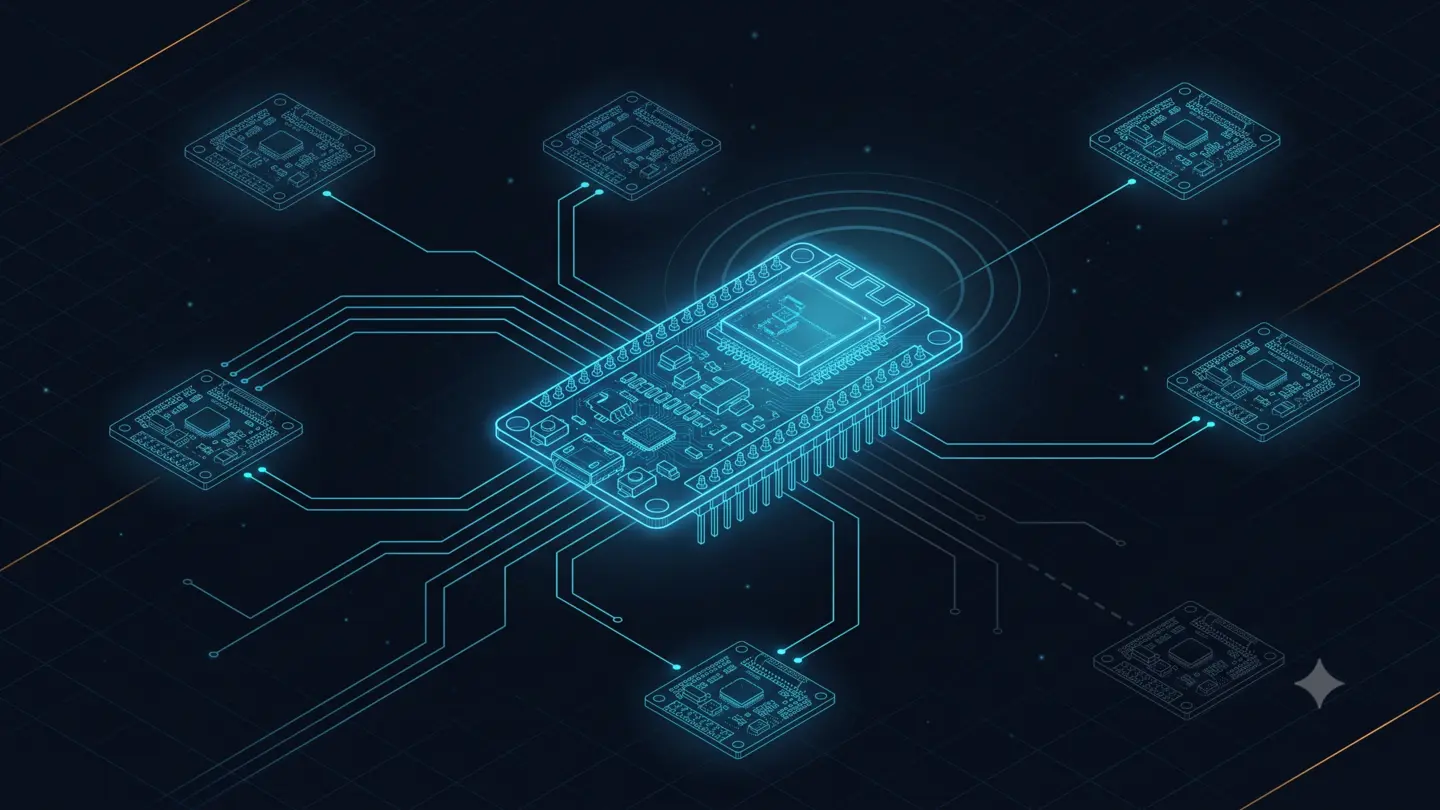
Every team npm-installs an LLM SDK, pastes an API key, and ships to production. Within months you have Spaghetti AI — dozens of unmanaged direct calls with no visibility, no cost control, and no compliance story. The fix is an AI Gateway: a dedicated infrastructure layer that sits between your applications and the model providers. This post covers the architecture, core capabilities (provider abstraction, resilience, observability, traffic control), advanced features (semantic caching, virtual keys, policy-as-code), the market landscape, and a phased implementation plan to go from chaos to control.
The AI Engineering Gap
Over 80% of AI projects fail to deliver value — and a recent MIT study puts it even worse, finding that 95% of enterprise GenAI initiatives produce zero return despite tens of billions in investment. The problem isn't the models. It's everything around them. This post introduces the Engineering Gap: the dangerous illusion that because the interface is natural language, the engineering must be simple. Organizations are paying for that illusion with failed pilots, systems that hallucinate at scale, and the mass layoff of the very engineers whose legacy systems made AI possible in the first place. This is the cold shower the industry needs.